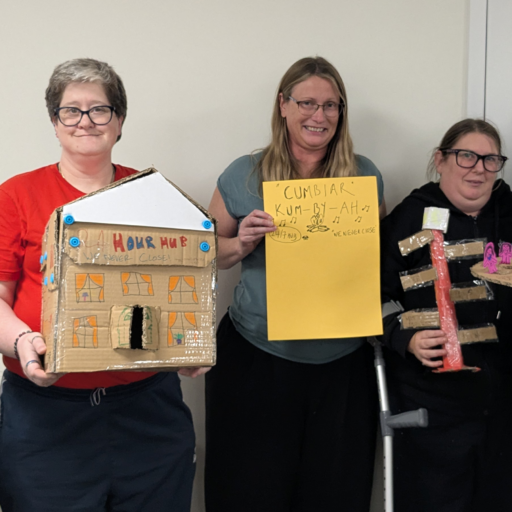
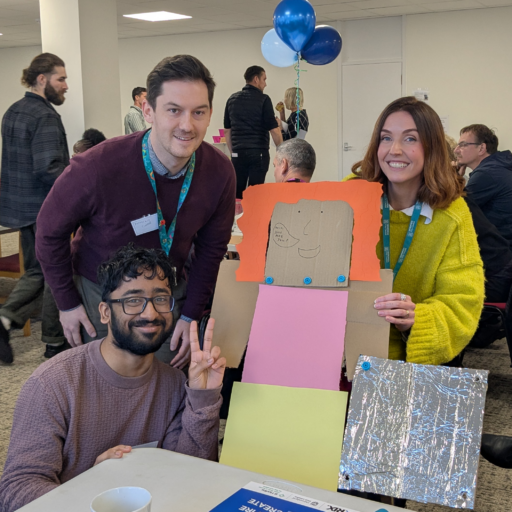
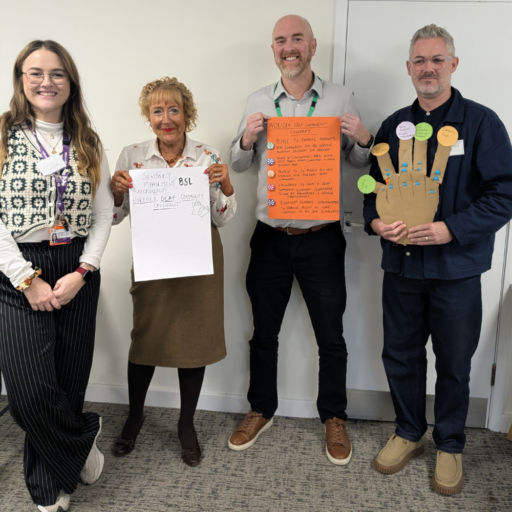
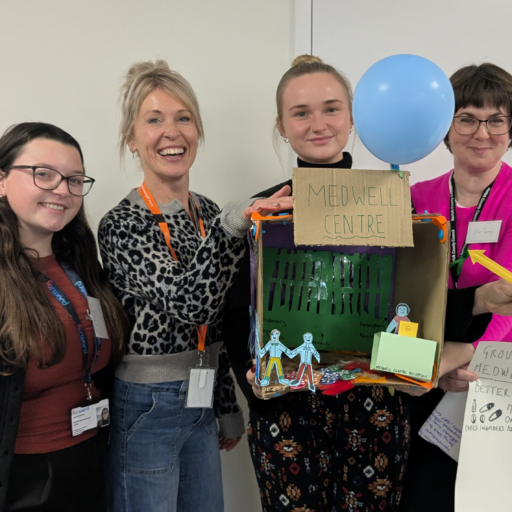
If you joined the Be Well, Live Well Hackathon expecting a day of sitting quietly and listening to presentations, you would have been in for a surprise! Tables were piled high with pens, sticky notes, cardboard and craft materials as participants sketched, built, cut, stuck and debated their way through some of the biggest challenges facing health and wellbeing in Norfolk. From community trees taking shape on tables to animated discussions around mock-up service hubs and helium balloons, the room buzzed with creativity, energy and a shared determination to find better solutions.
Hosted in partnership with St Martins, NHS Norfolk and Suffolk Integrated Care Board and Rix Inclusive Research at the University of East London, the event challenged participants to think differently about how health services can become more accessible, inclusive and responsive to the needs of underserved communities.
Opening the event, David Powles, Chief Executive of St Martins, encouraged attendees to use the day to generate bold ideas that could help break down the barriers preventing people from living healthy and fulfilling lives. He highlighted issues including homelessness, poverty, poor mental health, disability, digital exclusion and transport difficulties, reminding participants that these challenges rarely exist in isolation and require organisations to work together in new ways.
A call to tackle health inequalities
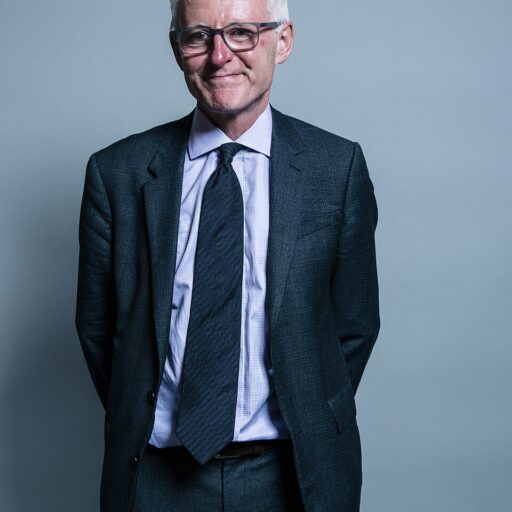
The keynote address was delivered by former health minister Sir Norman Lamb, who spoke passionately about health inequalities and the urgent need to improve access to healthcare for some of the most marginalised people in society.
He described the gap in healthy life expectancy between the richest and poorest communities as ‘a stain on our society’ and challenged attendees to develop practical solutions that could make a real difference. He highlighted the importance of early intervention, easier access to services and ensuring that people with lived experience help shape the support available to them.
Sir Norman drew on international examples of innovative mental health support, including community mental health centres in Trieste, Italy, where people can access help without referrals and receive support before difficulties escalate into crisis.
Listening to real experience
A central theme throughout the day was the importance of listening to people who face barriers to healthcare.
Ahead of the event, people with lived experience identified a range of challenges including long waiting times, difficulties accessing technology, complicated systems, poor communication, lack of affordable opportunities to stay healthy and problems accessing mental health support, dentists and medication.
Participants were encouraged to move beyond surface-level understanding and take time to explore what these barriers actually feel like for the people experiencing them. The aim was not simply to identify problems but to understand the impact they have on everyday lives and wellbeing.
The day also showcased My Story My Words My Voice, a collaborative project developed by St Martins and healthcare partners. The initiative uses a digital ‘wiki’ system that allows people to share their personal story, support needs, triggers and health information in one place, reducing the need to repeatedly retell traumatic experiences every time they engage with a new service.
Lucy Bone, Head of Community Services at St Martins, explained how the project was developed with people supported by the charity who repeatedly described the distress caused by having to tell their story over and over again when accessing support. The programme is now being rolled out and is already helping people engage with services more confidently.
Creative solutions to complex challenges
Participants worked in groups throughout the day to develop practical responses to the barriers identified.
The resulting ideas reflected the diversity of expertise and experience in the room and included:
The MedWell Centre
A one-stop shop for medication support, where people could access prescriptions, advice and different health services under one roof. The idea aimed to make it easier for people with multiple health needs to access medication without navigating several different systems and appointments.
Happy House: Advocates who walk with you
A welcoming community hub with trained advocates who would not simply signpost people to services but accompany them through the process. Whether attending hospital appointments or accessing housing and mental health support, nobody would have to navigate complex systems alone.
The Communi-Tree
A visual map connecting communities, services and local assets. Participants imagined information displayed in libraries, GP surgeries and community venues so people could easily discover activities, support and opportunities already available in their neighbourhoods.
Curing ‘Hubitis’
One group identified a problem they dubbed “hubitis” – lots of support hubs existing, but not talking to one another. Their solution was a beautifully designed community space where healthcare, community groups, businesses and charities would work together, inspired by successful models in Finland.
The Campfire Hub
A symbolic campfire around which everyone sits as equals, from people with lived experience to frontline workers, commissioners and policy-makers. The idea focused on genuine listening, shared decision making and preventing people from having to repeat their story over and over again.
Person-centred Peter
A memorable mascot for a network of community centres designed around the person, not the service. These local hubs would combine healthcare, housing support, wellbeing activities and outreach services, adapting to what each individual needs rather than expecting people to fit into existing systems.
The Balloon
Part digital directory, part real-life support service. The Balloon would help people identify the right support at the right time through a central database, while still ensuring there was a real person available to help make sense of options and navigate the system.
The Norfolk Deaf Community Covenant
A pledge to put deaf people at the centre of decisions about services that affect them. The proposal included co-production, increased access to British Sign Language interpreters, community outreach and long-term partnerships to tackle health inequalities experienced by Norfolk’s deaf community.
The ideas generated during the day will help inform future conversations and collaborative work across Norfolk, with the shared ambition of helping more people to be well and live well.